
Tier List
The best trains in British Railway ranked — from the S-tier Class 80X expresses to the dependable Class 43 HST and the best-value starters, with full ranking criteria.
Introduction
With more than a dozen train classes in British Railway, knowing which trains are actually worth your coins is essential. This tier list ranks every class by its real-world performance in the game, judged across speed, capacity, value for money and comfort. At the top, the S tier is dominated by the Class 80X electric fleet, whose high top speed makes them the premium choice for intercity running. The A tier holds the dependable workhorses — the iconic Class 43 HST and the versatile Class 47 — which balance speed and utility at a more realistic price. The B tier includes solid all-rounders like the Class 755 and Class 350 that handle most services comfortably, while the C tier contains the excellent starter and local trains such as the Class 150, 170 and 175 that are the best value for new players. The rankings are reviewed against the current version of the game, so the tier list is a snapshot that moves as balance updates and new classes arrive.
Train Tier Rankings
| Tier | Trains | Why They Rank Here |
|---|---|---|
| S | Class 80X fleet | Highest top speeds, premium intercity performance |
| A | Class 43 HST, Class 47 | Fast, dependable workhorses of the mainline |
| B | Class 755, Class 350 | Versatile multiple units for most services |
| C | Class 150, 170, 175 | Best value starters and local trains |
Tier Breakdown
Class 80X — S Tier
The Class 80X family tops the list for raw speed and premium intercity performance, at a premium price.
Class 43 HST — A Tier
The iconic diesel intercity train — fast, dependable and the face of British Railway, with no need for electrified lines.
Class 755 — B Tier
A versatile bi-mode unit that runs on both electric and diesel sections, perfect for mixed routes.
Class 150 — C Tier
The cheapest train in the game and the best-value starter for brand-new players learning the network.
Core Mechanics
The tier list ranks trains across four factors. Speed measures top speed and acceleration on the network, deciding how quickly you can complete a service. Capacity reflects how many passengers the train carries, which matters for busy intercity services. Value for money weighs a train's performance against its price, helping players decide whether an upgrade is worth the grind. Comfort is a softer factor covering the driving experience and how forgiving the train is to handle. A train like the Class 80X ranks S because its speed makes it the best intercity earner, while the Class 43 HST ranks A because it nearly matches that speed without the price tag and electric dependency. The Class 150 ranks C not because it is bad, but because its low speed and capacity make it a learning tool rather than a mainline performer. Because balance updates change these factors, the tier list is reviewed after each major update and adjusted when new classes arrive.
Advantages
The tier list saves players real time and coins by answering the most common question in British Railway: which train should I buy? Instead of guessing, players can see at a glance which classes are worth saving for and which are best avoided. The ranking criteria make the reasoning transparent, so players can apply the same thinking to new trains that arrive in updates. The tier list also helps drivers choose the right train for the right route, since the best express is not always the best choice for a short branch line.
Challenges
The main weakness of any tier list is subjectivity — different drivers value speed, comfort and capacity differently, and the community does not always agree on rankings. The list is also a snapshot of the current version, so a balance update or a new train class can shift the order quickly. Players should treat the rankings as a guide rather than a rule and consider their own driving style, since a train that ranks C for one player might be the perfect choice for another who only runs local services.
Frequently Asked Questions
What is the best train in British Railway?+
What is the best train for beginners?+
Is the Class 43 HST worth buying?+
How often is the tier list updated?+
Quick Tips
Before buying a new train, check the tier list against your usual routes — the best express is wasted if you only run branches. The rankings are a guide, not a rule, so trust your own driving style and test trains yourself before committing your hard-earned coins to a class you are unsure about.
Treat S tier as a long-term goal, not a first purchase. A small balanced fleet beats one expensive express. The rankings are a guide, not a rule, so trust your own driving style and test trains yourself before committing your hard-earned coins to a class you are unsure about. Practising this consistently across your sessions will bring steady, noticeable improvement to your driving.
Re-read the tier list after every update, since new classes and balance patches move the rankings. The rankings are a guide, not a rule, so trust your own driving style and test trains yourself before committing your hard-earned coins to a class you are unsure about. Practising this consistently across your sessions will bring steady, noticeable improvement to your driving.
Use the ranking criteria — speed, capacity, value and comfort — to judge new trains yourself before the list is updated. The rankings are a guide, not a rule, so trust your own driving style and test trains yourself before committing your hard-earned coins to a class you are unsure about.
If you are torn between two trains, pick the more versatile one; flexibility pays off across the whole network. The rankings are a guide, not a rule, so trust your own driving style and test trains yourself before committing your hard-earned coins to a class you are unsure about. Practising this consistently across your sessions will bring steady, noticeable improvement to your driving.
Featured
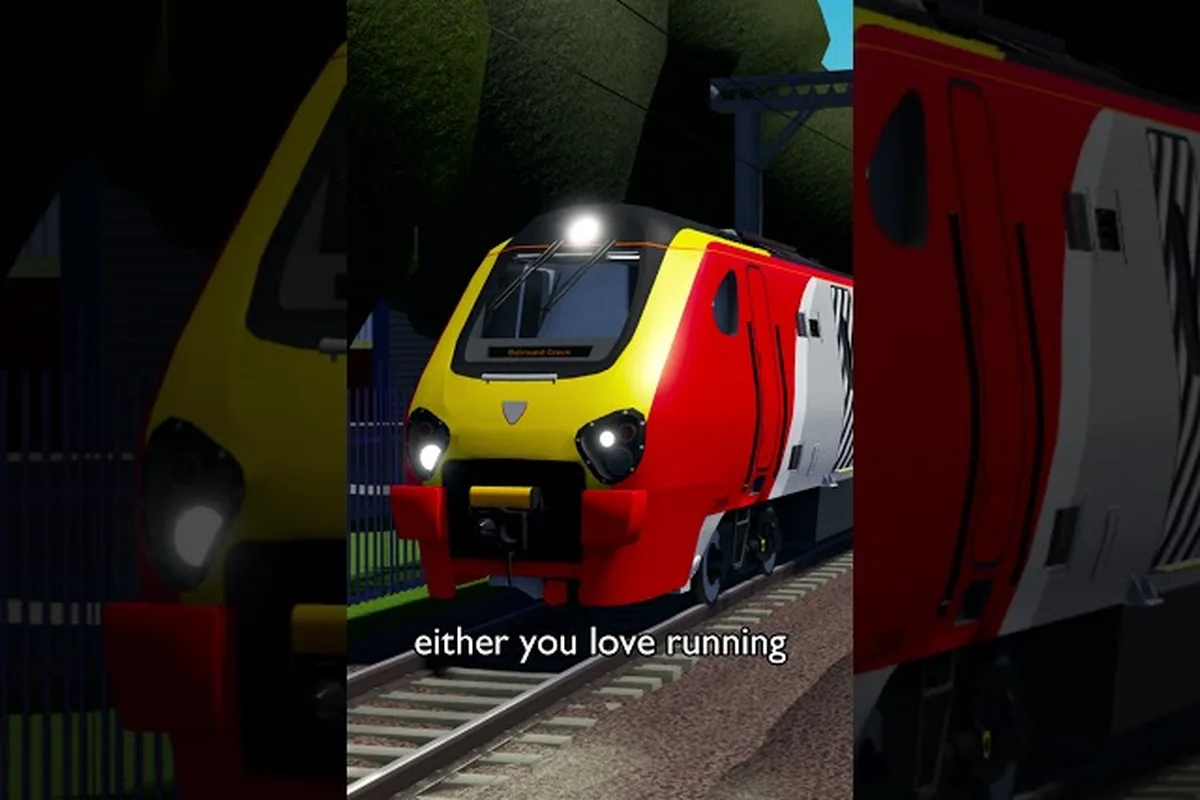
British Railway Roblox Best Train Tier List 2026 Top Ranked
Compare every British Railway Roblox train in this 2026 tier list. See which intercity and commuter locomotives rank top for speed, price, and value.
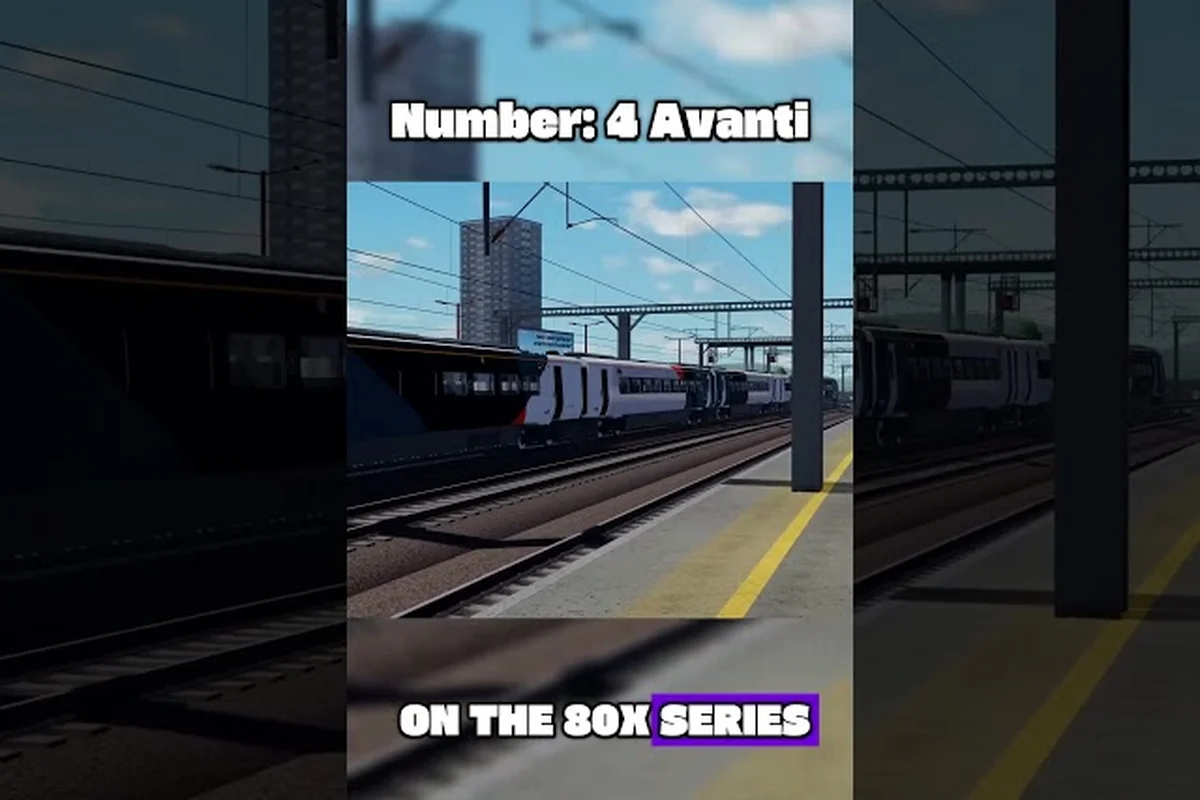
British Railway Roblox Train Ranking: Worst Class for Value
Explore the British Railway Roblox train ranking with every locomotive graded from S to worst. See where Class 43, 47, and 80x land in this tier list.
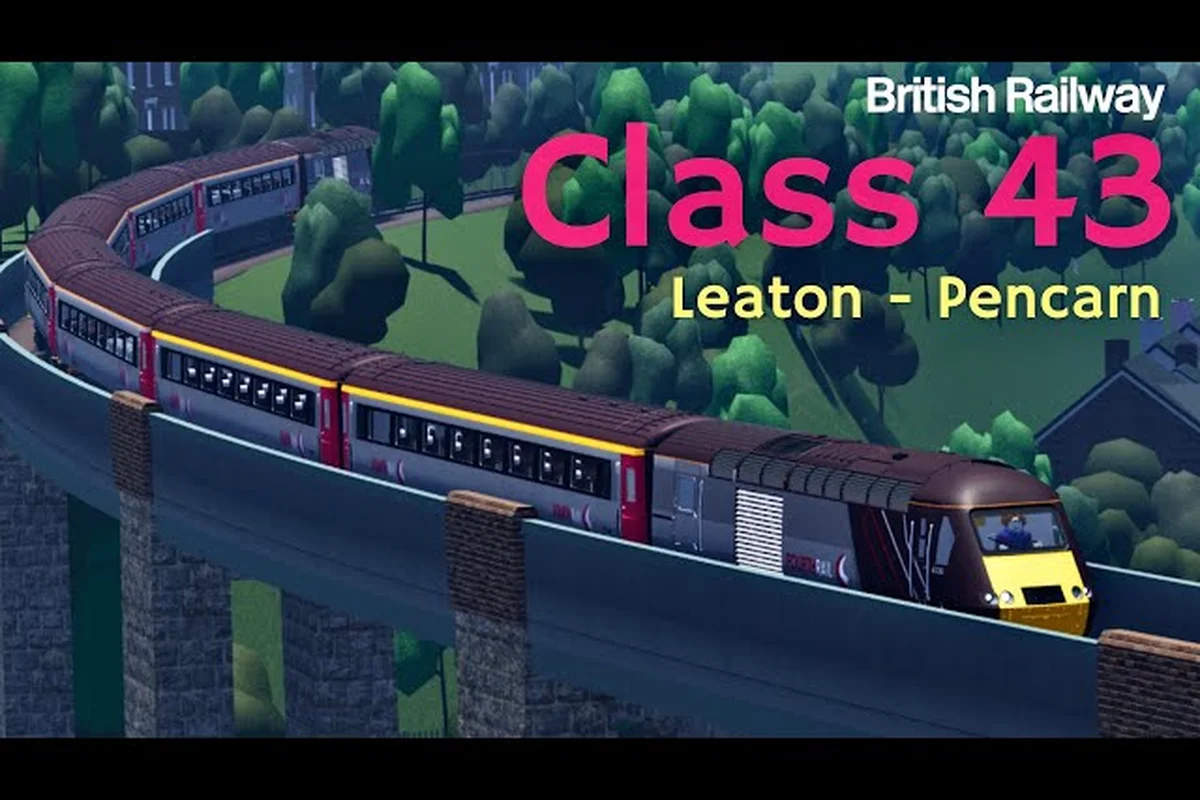
British Railway Roblox Best Express Train: Fast & Value Pack
Find the British Railway Roblox best express train with high-speed, diesel, and electric comparisons. Rank the fastest and best value locomotives for long runs.
All Articles
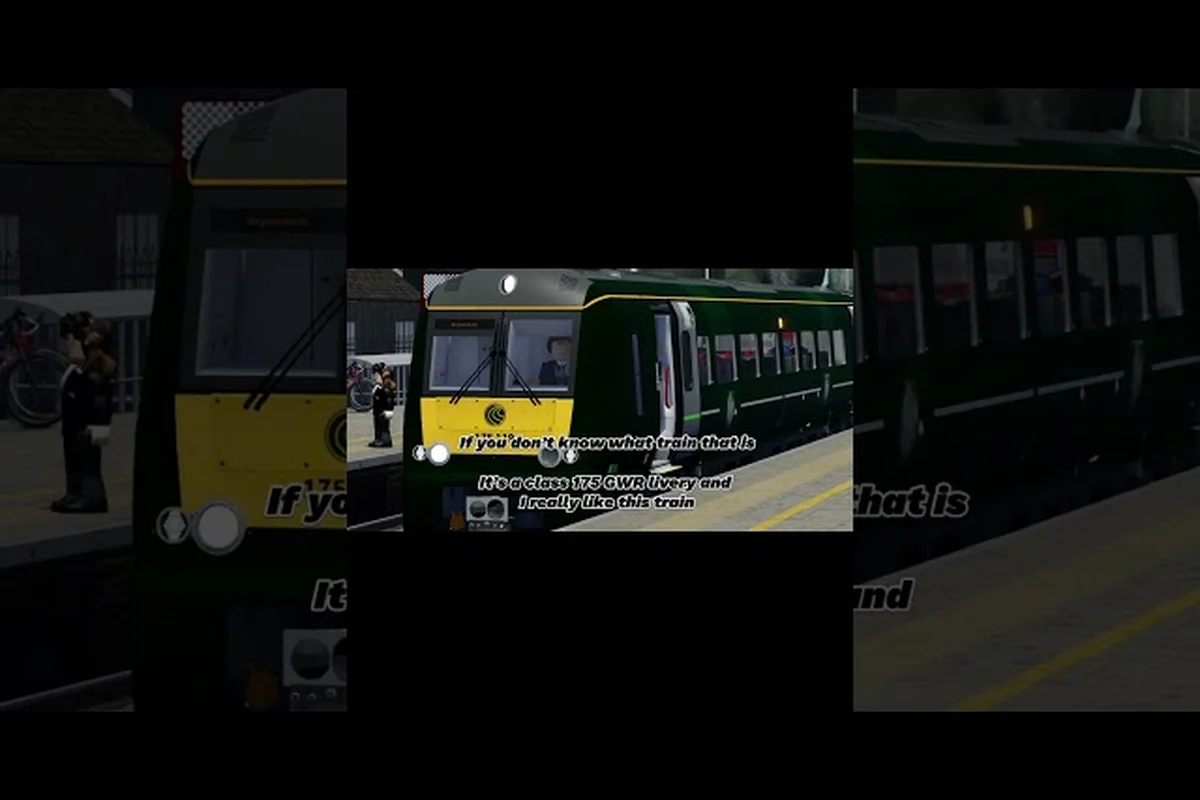
British Railway Roblox Best Beginner Train: Starter Picks
Pick the British Railway Roblox best train for beginners with top picks for trainspotting and guard duty. Compare affordable options to start strong.
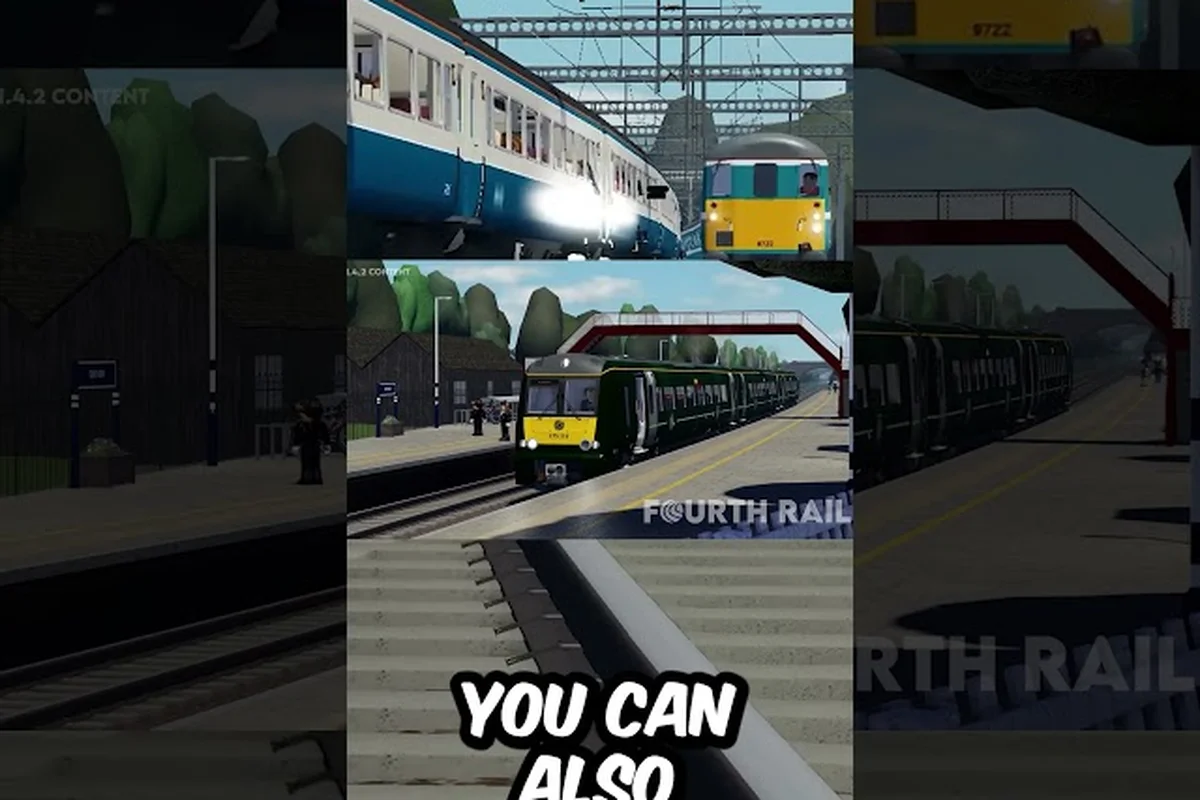
British Railway Roblox Class 175 Tier List: Compare & Review
Rank every operator in British Railway Roblox with the Class 175 tier list. Compare Class 350 and 755 options to find the best train for your money.
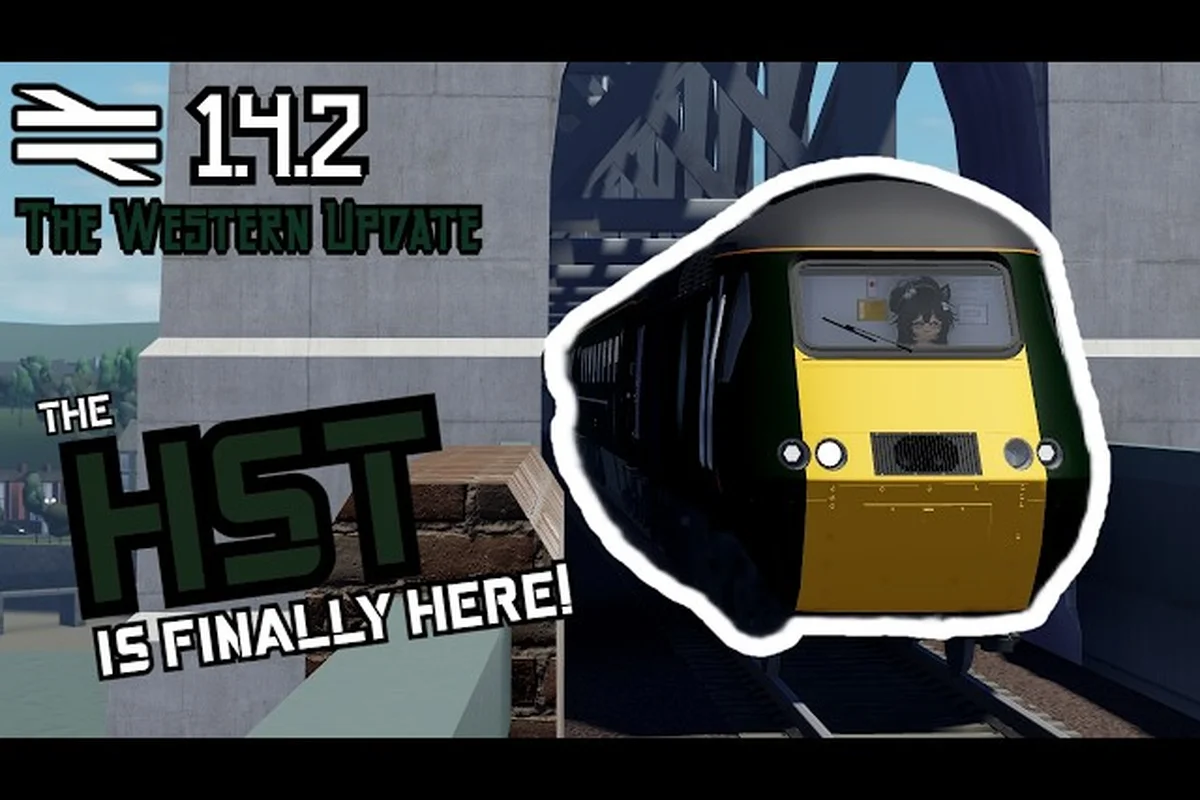
British Railway Roblox Class 43 vs Class 47: Which Wins?
Compare British Railway Roblox Class 43 vs Class 47 with speed, power, and price stats. See which locomotive wins for express runs and which fits your budget.