
Routes
Plan your journey across British Railway — the intercity mainline, Pencarn extension, coastal branch, miniature railway and Cuffley Loop, with route learning and speed limits.
Introduction
The British Railway network is a fictional mainline that keeps growing with each major update, and understanding the routes is essential whether you drive, guard or ride. The core of the network is the intercity mainline, a high-speed artery that connects the biggest stations and is home to the fastest Class 80X and Class 43 services. Branching off are the coastal branch towards the sea, the miniature railway for relaxed learning runs, and the newest addition, the Pencarn extension, which was added in V1.4.2 with bridges and viaducts that the Class 43 HST crosses. Each route has its own speed limits, signal positions and stopping patterns, so learning a route means more than just knowing where the stations are — you need to remember where the limits drop for curves, junctions and level crossings. Routes also differ in how profitable they are, with longer intercity runs generally paying more per trip, which makes route choice a real decision when you are grinding for coins. This category maps every route, explains the service patterns and highlights the best routes for beginners, trainspotting and money.
Network Route Guide
| Route | Type | Best Train | Notable Features |
|---|---|---|---|
| Intercity Mainline | High-speed trunk | Class 80X | Fastest services between the biggest stations |
| Pencarn Extension | New branch | Class 43 HST | Bridges and viaducts, added in V1.4.2 |
| Coastal Branch | Scenic branch | Class 755 | Views towards the sea with local stoppers |
| Cuffley Loop | Loop line | Class 150 | Famous trainspotting loop near Cuffley |
| Miniature Railway | Learning line | Any | Short, relaxed route for beginners |
Route Breakdown
Intercity Mainline
The core high-speed artery of the network, connecting the biggest stations and home to the fastest expresses in the game.
Pencarn Extension
The newest stretch of the network, added in V1.4.2, with bridges and viaducts that the Class 43 HST crosses.
Coastal Branch
A scenic branch line running towards the sea, with local stopping services and some of the best views on the network.
Cuffley Loop
A famous loop line near Cuffley station and one of the best places on the network for trainspotting.
Miniature Railway
A compact, relaxed line that is perfect for brand-new players learning the throttle and brakes for the first time.
Core Mechanics
Each route in British Railway is a distinct section of track with its own speed limits, signal positions, stations and service pattern. When you drive a service you are given a timetable telling you which stations to stop at, and following it accurately while respecting limits earns you a clean run. The network uses British-style signalling, so approaching a station or junction you will often see a yellow warning signal before a red, and reading these correctly is the difference between a smooth stop and a penalty. Route learning is a real skill: veteran drivers remember exactly where the speed limits drop for curves and level crossings, and where the signal sections sit on each stretch. Profitability also varies by route — long intercity runs pay more per trip but take longer and demand faster driving, while short local loops are quick and forgiving. The newest routes, such as the Pencarn extension, bring fresh challenges in the form of steep gradients and long viaducts that test your throttle control.
Advantages
The routes category helps players plan their journeys and choose the best line for their goal, whether that is making money, learning to drive or simply enjoying the scenery. Detailed route guides remove the guesswork from the speed limits and signal positions, which directly reduces penalties for new drivers. The category also explains the service patterns and timetables, so you know which trains run where and when. Because the network is small enough to learn but large enough to reward experience, good route knowledge is one of the clearest advantages a British Railway player can have, and the route guides are the fastest way to acquire it.
Challenges
Route guides can go stale quickly because the network grows with almost every major update — a map that showed five routes becomes six after the Pencarn extension. The exact speed limits and signal positions on newer sections are also often based on community testing rather than official data, so details can be wrong or change without notice. For beginners, the main challenge is the sheer amount of detail: memorising every limit and signal takes time, and jumping straight onto the intercity mainline without learning the basics usually ends in penalties. Exact limits on newer sections are also often based on community testing rather than official data, so details can be wrong or change without notice between updates.
Frequently Asked Questions
What is the longest route in British Railway?+
What is the best route for beginners?+
How do I learn the speed limits on each route?+
Which route pays the most in British Railway?+
Quick Tips
Learn the miniature railway first — a clean, relaxed run builds the muscle memory you need for busier routes. Route knowledge compounds over time because every clean run you complete makes the next one easier, so learn the easy lines first and gradually build up to the demanding intercity mainline.
Slow down early when approaching stations on the mainline; intercity stops come up fast at high speed. Route knowledge compounds over time because every clean run you complete makes the next one easier, so learn the easy lines first and gradually build up to the demanding intercity mainline. Practising this consistently across your sessions will bring steady, noticeable improvement to your driving.
Use route signs to confirm speed limits instead of relying on memory, especially on newer sections like Pencarn. Route knowledge compounds over time because every clean run you complete makes the next one easier, so learn the easy lines first and gradually build up to the demanding intercity mainline. Practising this consistently across your sessions will bring steady, noticeable improvement to your driving.
For grinding, run the longest intercity service you can complete cleanly — penalties eat into your profit fast. Route knowledge compounds over time because every clean run you complete makes the next one easier, so learn the easy lines first and gradually build up to the demanding intercity mainline. Practising this consistently across your sessions will bring steady, noticeable improvement to your driving.
Check the updates category before learning a new route, because extensions often change the existing network too. Route knowledge compounds over time because every clean run you complete makes the next one easier, so learn the easy lines first and gradually build up to the demanding intercity mainline. Practising this consistently across your sessions will bring steady, noticeable improvement to your driving.
Featured
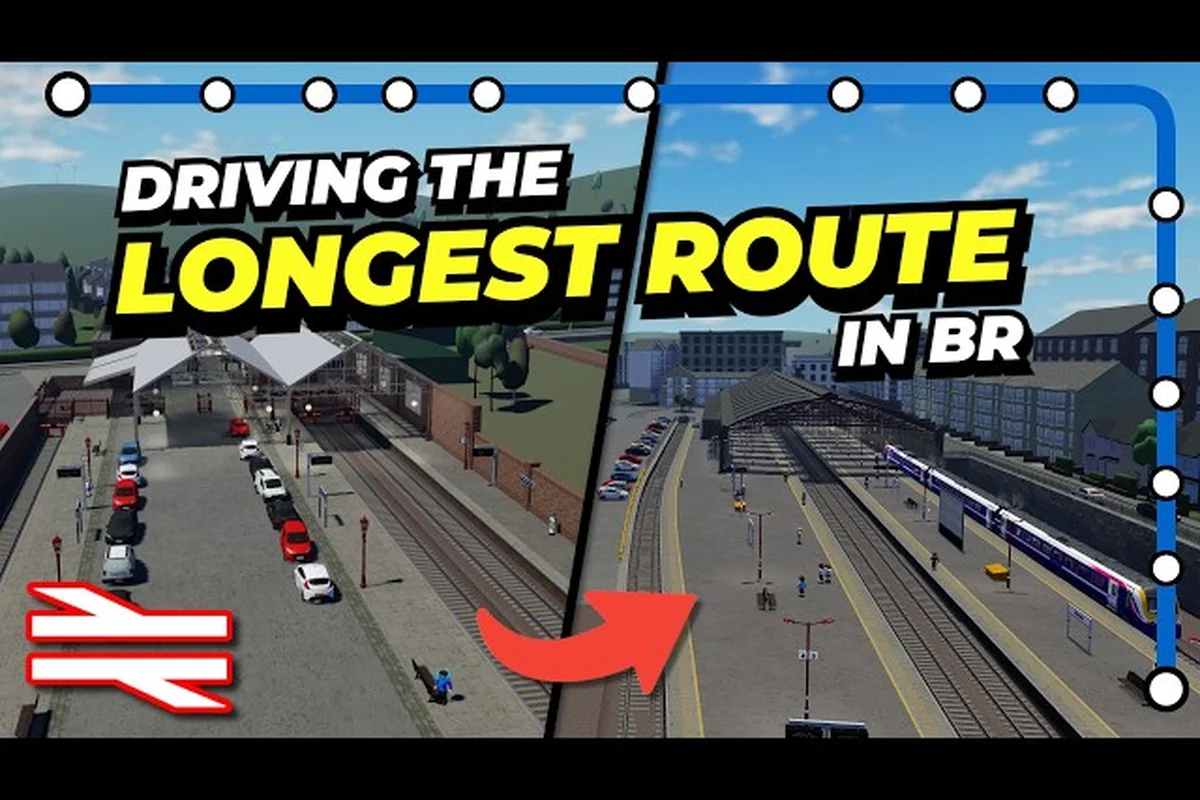
British Railway Roblox Routes: Mainline, Branch & Coastal
View every British Railway Roblox route with distances and difficulty. Find the best and longest routes for earning and the shortest for quick runs.
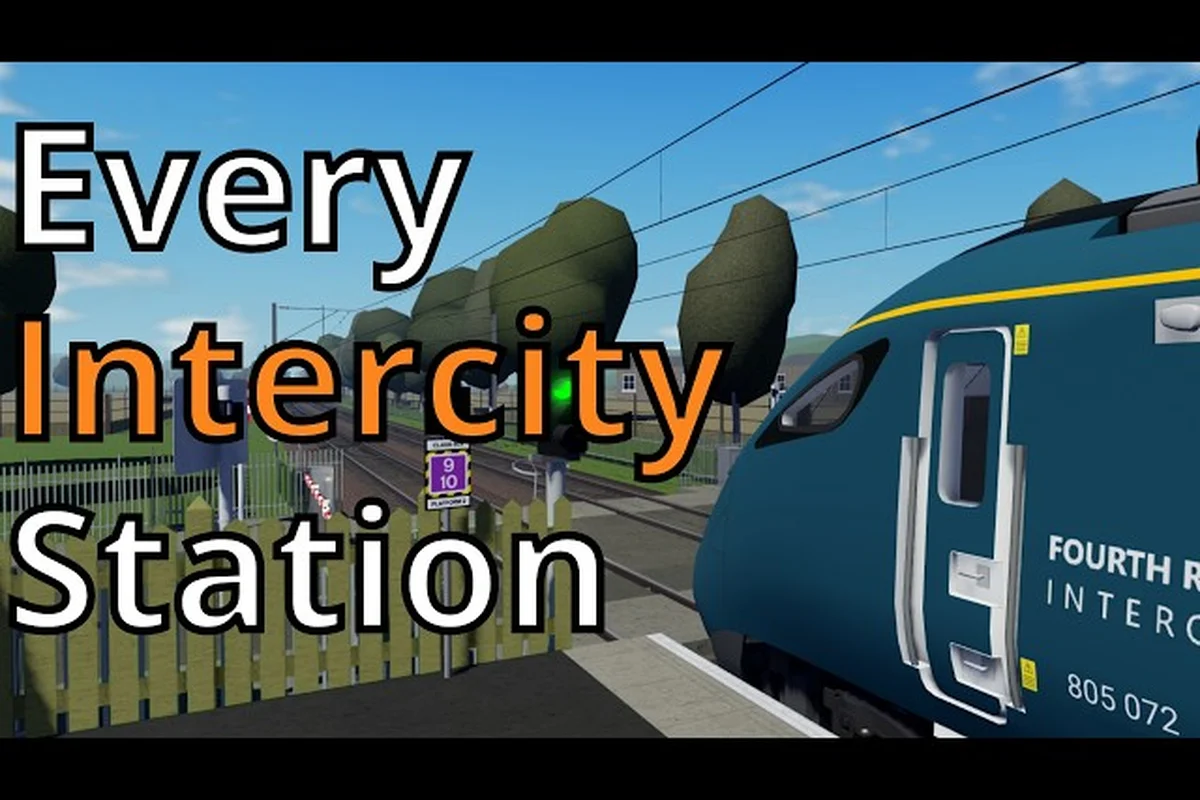
British Railway Intercity Routes: Best Lines & Extensions
Master British Railway intercity routes with line guides and extension tips. Compare mainline and branch options to maximize your long-distance runs.
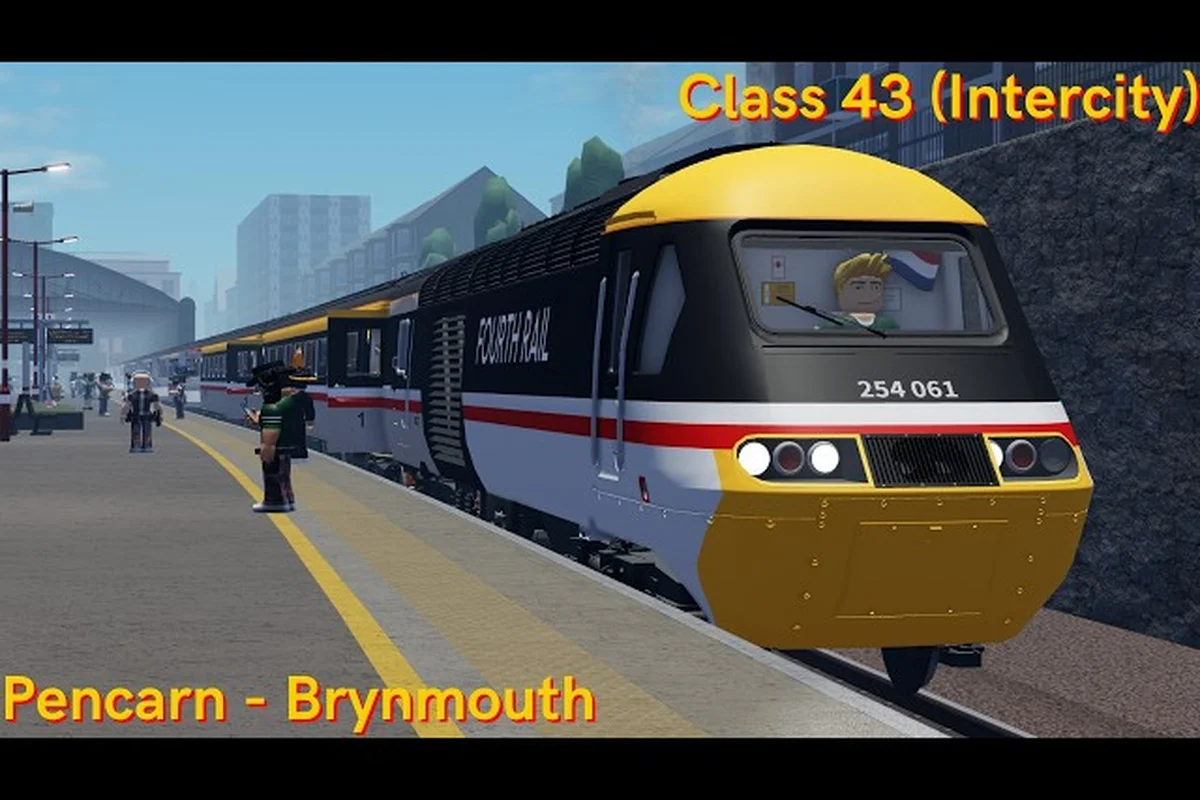
British Railway Pencarn Extension: New Coastal Route Guide
Explore the British Railway Pencarn extension, a new coastal route with weather effects. Learn the layout, key stops, and how to master this western line.
All Articles
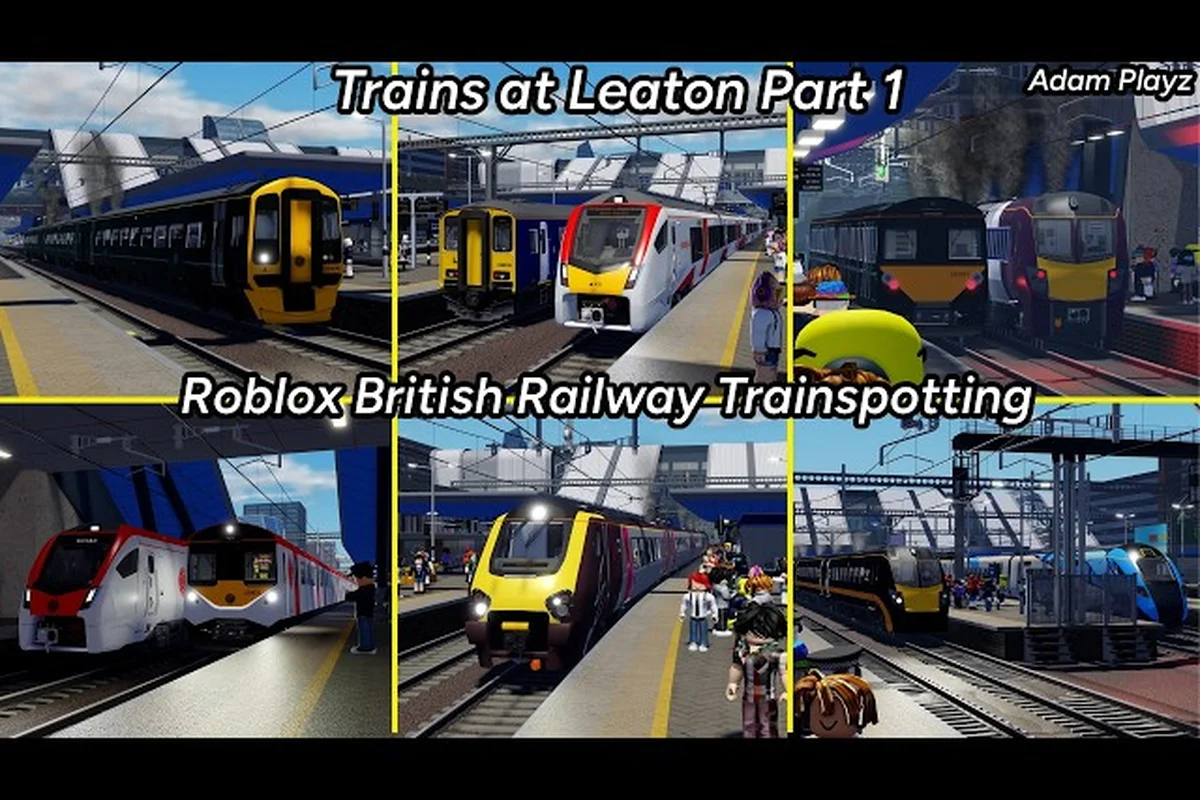
British Railway Roblox Easy Route: Best Lines for Beginners
Find the British Railway Roblox easy route for new drivers. Compare service patterns, timetables, and the first train of the day to build confidence fast.
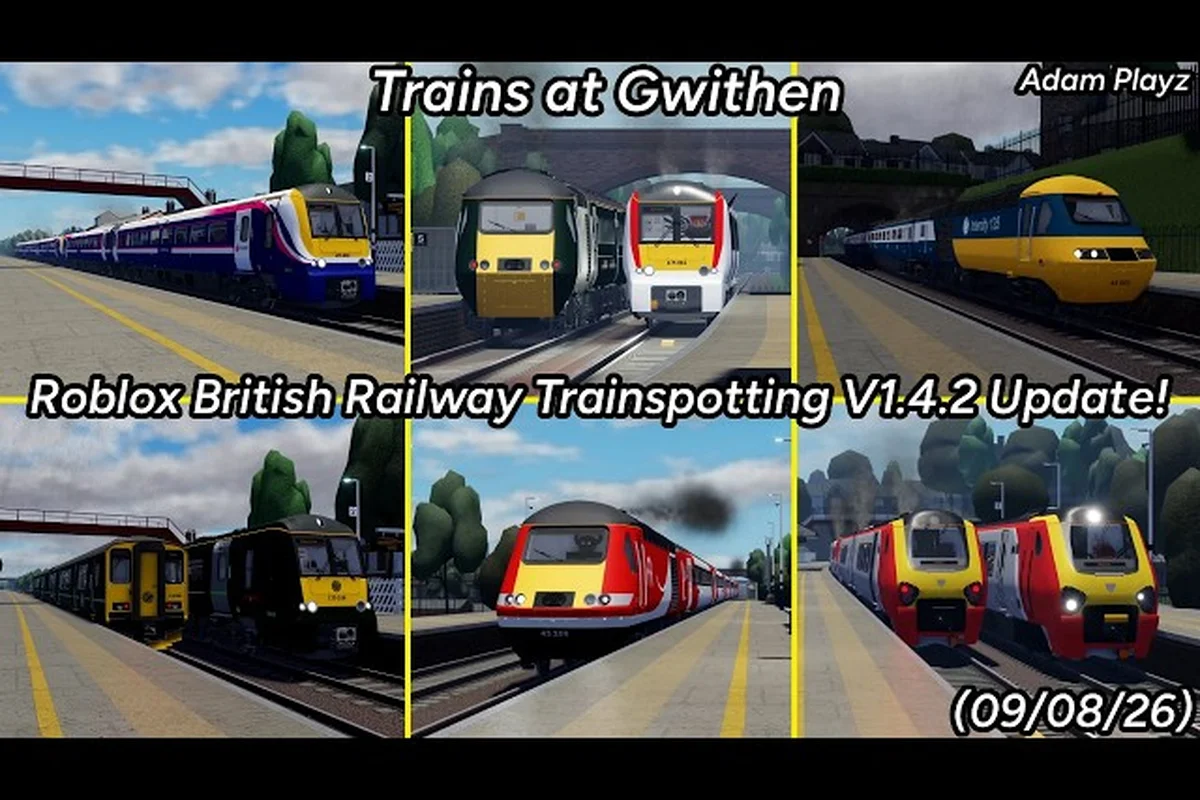
British Railway Roblox Route Signs: Speed Limits & Signals
Decode British Railway Roblox route signs to avoid penalties. Master speed limits, tunnel and bridge warnings, and level crossing signals for safe driving.
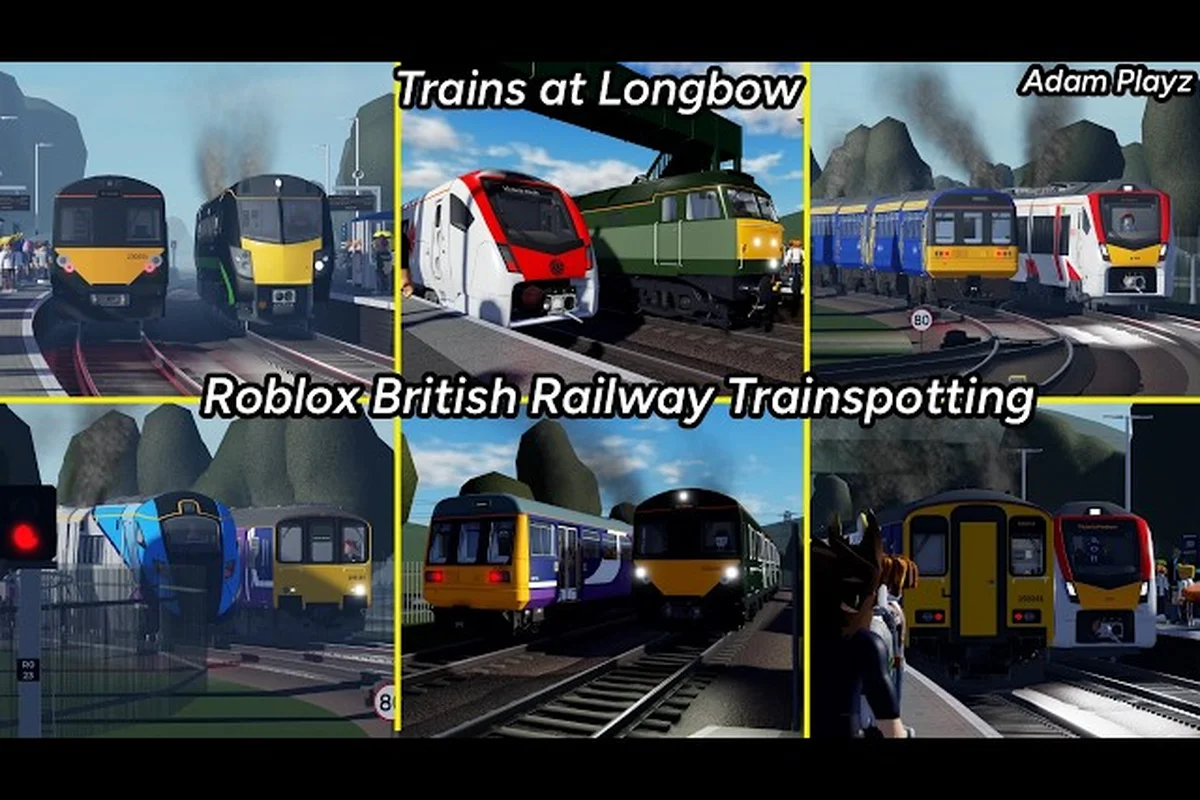
British Railway Roblox Terminus Routes: Loops & Scenic Lines
Discover British Railway Roblox terminus routes, including the Cuffley and Elmtree loops. Find the best scenic lines and beginner-friendly paths to start.
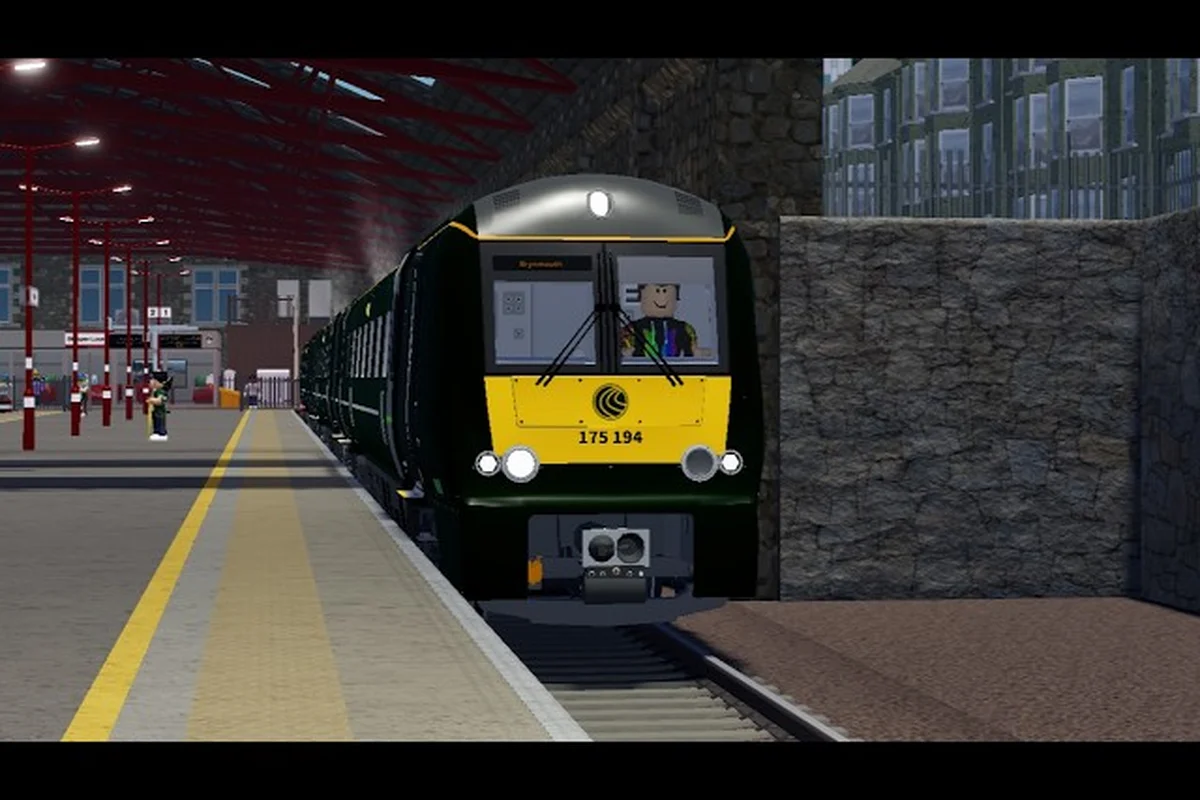
British Railway Roblox Last Train Service: Night & Sunday
Catch the British Railway Roblox last train service with night and Sunday timetables. Learn peak timing and route extension updates to plan final runs.